
In a world where beige minimalism has dominated interior design for years, there’s a refreshing rebellion happening in homes across the globe. Quirky home decor is no longer just for the bold and the brave it’s becoming the secret ingredient that transforms ordinary houses into homes bursting with personality and charm.
But what exactly makes décor “quirky”? It’s the unexpected twist on a traditional piece, the conversation-starting sculpture that makes guests stop mid-sentence, or the playful accent that makes you smile every time you walk into a room. Quirky home decor ideas aren’t about following trends blindly; they’re about expressing your unique identity through creative home decor choices that dare to be different.
The beauty of quirky home decorating lies in its accessibility. Whether you’re working with a modest budget and hunting for treasures at your local thrift store, or you’re ready to invest in statement furniture that becomes the centerpiece of your living space, there’s a quirky piece waiting to add originality to your home.
In this comprehensive guide, we’ll explore 25 unique home decor ideas that instantly start conversations, complete with practical styling tips, budget-friendly alternatives, and expert advice on balancing whimsy with sophistication. You’ll discover how to think outside the box, create an environment that tells a story, and bring your vision to life all while keeping your home functional and beautifully composed.
What Makes Home Decor “Quirky”?
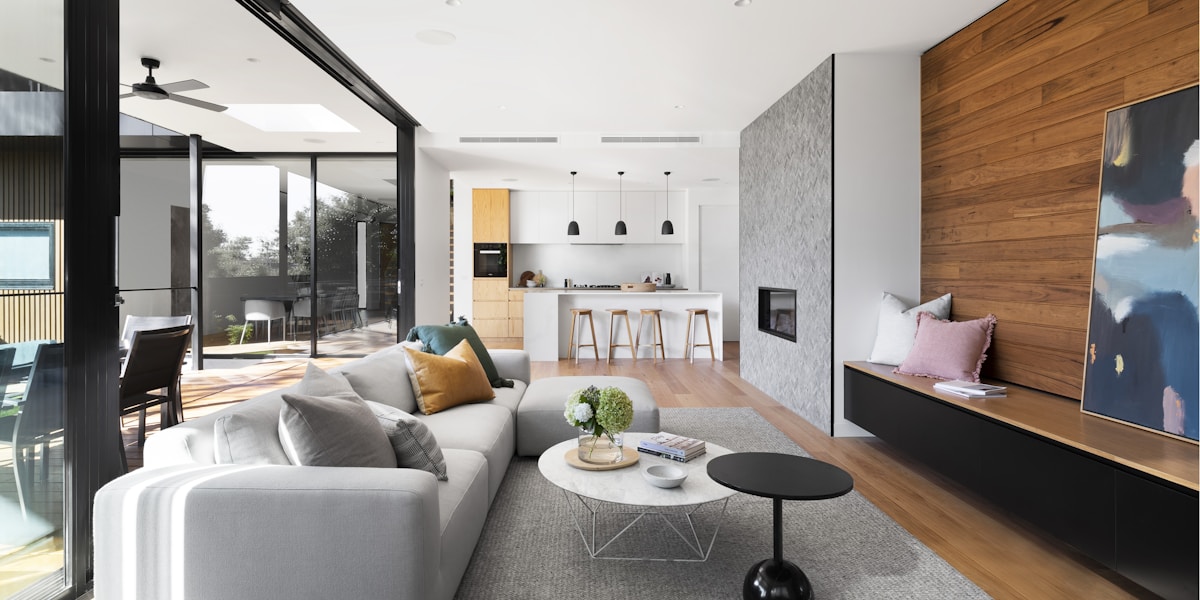
Defining Quirky vs. Traditional Decor
Traditional decor follows established design rules: matching sets, coordinated color palettes, and predictable furniture arrangements. Quirky décor, on the other hand, celebrates the unexpected. It’s the antique telephone converted into a lamp, the gallery wall featuring mismatched frames in a kaleidoscope of colors, or the faux taxidermy animal heads that add a touch of playfulness to your entryway.
The key difference? Traditional design seeks harmony through conformity, while quirky interior design finds beauty in contrast, humor, and originality.
Key Elements That Define Quirkiness
Bold Colors and Unexpected Hues: Quirky pieces often feature saturated colors or unusual combinations that brighten any room. Think vibrant turquoise side tables paired with millennial pink throw pillows, or a ceiling painted in an unexpected hue that draws the eye upward.
Unusual Shapes and Materials: From asymmetrical mirrors to furniture crafted from repurposed industrial materials, quirky items challenge conventional forms. A coffee table shaped like a giant Rubik’s cube or planters made from vintage teapots exemplify this principle.
Humor and Whimsy: Quirky décor doesn’t take itself too seriously. It might include art prints with witty phrases, animal-shaped bookends, or a light fixture that resembles a cluster of cascading bubbles.
Storytelling Elements: Every quirky piece should have a narrative. Whether it’s a flea market find with history etched into its patina or a conversation-starting sculpture that reflects your travels, these items tell a story about who you are.
When Quirky Works Best (And How to Avoid Overdoing It)
Quirky decor shines brightest when balanced with neutral foundations. A room full of eclectic pieces can feel chaotic, but strategic placement creates maximum impact. The rule of thumb: let quirky items be the punctuation marks in your design story, not the entire narrative.
Use the 80/20 principle: 80% neutral or classic pieces, 20% quirky accents. This ensures your space feels curated rather than cluttered, intentional rather than haphazard.
25 Quirky Home Decor Ideas (With Full Styling Guidance)
1. Oversized Novelty Wall Art
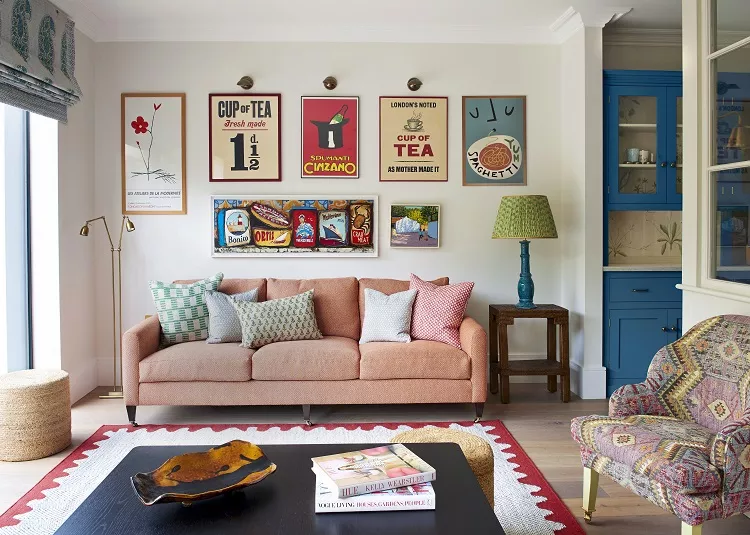
Transform blank wall space into a conversation piece with oversized quirky wall art. Think giant lips, abstract faces, or supersized vintage advertisements that command attention.
Why It Works: Large-scale art pieces immediately draw the eye and set the tone for the entire room. They’re natural conversation starters that reveal your artistic sensibilities.
Where to Use It: Living rooms, dining areas, or above a dresser in the bedroom. Avoid small spaces where oversized art can overwhelm.
Budget Options:
- DIY: Create your own large canvas using paint and stencils ($30-50)
- Affordable: Printable digital downloads printed at large format ($50-100)
- Premium: Original commissioned artwork ($500+)
Styling Tips: Balance large art with minimalist furniture to avoid visual competition. Choose pieces that pull colors from your existing color palette while introducing a bold accent hue.
2. Funky Sculptural Lamps
Sculptural lighting transcends mere functionality it becomes the conversation-starting focal point of any room. Look for lamps shaped like animals, abstract forms, or whimsical characters.
Why It Works: A funky lamp serves double duty as both practical lighting and eye-catching art, making it one of the most efficient ways to add quirky charm.
Where to Use It: Side tables in living rooms, bedroom nightstands, or as a statement piece on a console table.
Budget Options:
- DIY: Convert unusual objects (old cameras, sports equipment) into lamp bases ($40-80)
- Affordable: Mid-range designer-inspired pieces ($80-200)
- Premium: Designer sculptural lighting ($300-1000+)
Styling Tips: Let unusual light fixtures stand alone rather than pairing them with other bold pieces. Use warm bulbs to create coziness and ensure the lamp’s silhouette creates interesting shadows.
3. Mismatched Vintage Frame Gallery Wall

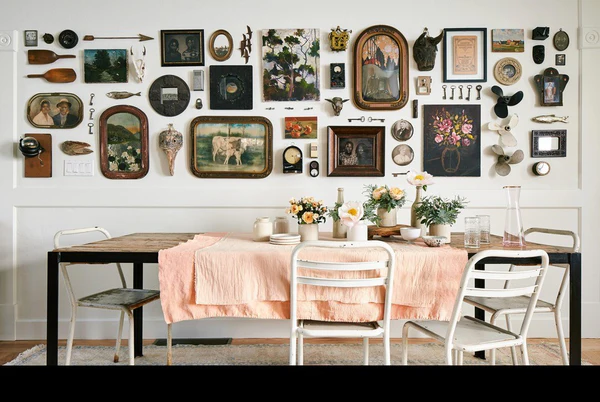
A gallery wall composed of vintage frames in varying sizes, finishes, and styles creates a collected-over-time aesthetic that’s rich with personality.
Why It Works: Unlike matchy-matchy displays, this approach tells a story of curation and discovery. Each frame becomes a unique piece worth discussing.
Where to Use It: Hallways, staircases, living rooms, or above a bookshelf.
Budget Options:
- DIY: Hunt thrift stores and estate sales for frames ($2-10 each)
- Affordable: Mix thrifted frames with new budget options ($50-150 total)
- Premium: Antique or designer vintage frames ($200-500+)
Styling Tips: Maintain cohesion through your mat choices (all white or cream) while varying frame finishes (gold, silver, wood, painted). Lay out your arrangement on the floor first, maintaining 2-3 inches between frames.
4. Statement Mirrors with Odd Shapes
Forget rectangular mirrors quirky mirrors come in cloud shapes, sunbursts, abstract blobs, or geometric clusters that double as sculptural wall art.
Why It Works: Mirrors add depth and light while unconventional shapes prevent them from disappearing into the background.
Where to Use It: Entryways, powder rooms, above mantels, or grouped in clusters on empty walls.
Budget Options:
- DIY: Cut custom shapes from mirror sheets and add decorative frames ($30-60)
- Affordable: Mid-century modern inspired designs ($75-200)
- Premium: Designer pieces or antique sunburst mirrors ($300-800+)
Styling Tips: Hang mirrors at eye level (about 57 inches from floor to center). Use them strategically to reflect light from windows or to create the illusion of more space.
5. Playful Graphic Throw Pillows

Inject instant personality with plush throw pillows featuring unexpected graphics: oversized polka dots, quirky illustrations, bold typography, or surrealist patterns.
Why It Works: Pillows are the easiest and most affordable way to experiment with quirky style. They’re also easily rotated with seasons or moods.
Where to Use It: Sofas, beds, reading chairs, or window seats.
Budget Options:
- DIY: Use fabric paint or iron-on transfers on plain pillow covers ($10-25 each)
- Affordable: Online retailers and home stores ($20-40 each)
- Premium: Designer or custom-printed options ($60-150 each)
Styling Tips: Mix patterns in varying scales (one large pattern, one medium, one small) and include at least one solid color that grounds the arrangement. Odd numbers (3 or 5 pillows) create more visual interest than even groupings.
6. Unexpected Planters for Your Green Thumb
Transform vintage teapots, colorful rain boots, repurposed toolboxes, or novelty containers into unique planters that showcase both your plants and your creativity.
Why It Works: Unexpected planters add a layer of narrative each container has its own history or whimsical story.
Where to Use It: Every room benefits from plants, from kitchen windowsills to bathroom countertops to open shelving displays.
Budget Options:
- DIY: Drill drainage holes in thrift store finds ($5-15 each)
- Affordable: Ceramic novelty planters ($15-40)
- Premium: Designer planters or vintage collectibles ($50-200+)
Styling Tips: Ensure proper drainage to keep your plants healthy. Group planters in odd numbers and vary heights for visual interest. Balance quirky containers with the plants themselves let one be the star.
7. Whimsical Wall Clocks
Move beyond basic timekeepers with clocks featuring reversed numbers, unusual shapes, or playful designs that make checking the time a delightful experience.
Why It Works: We glance at clocks multiple times daily, making them perfect candidates for quirky touches that bring repeated smiles.
Where to Use It: Kitchens, home offices, living rooms, or any wall that needs a functional focal point.
Budget Options:
- DIY: Create custom clock faces using kits and your artwork ($25-45)
- Affordable: Novelty designs from home stores ($30-80)
- Premium: Designer timepieces or vintage collectibles ($100-400+)
Styling Tips: Ensure the clock is large enough to read from across the room (minimum 12 inches for living spaces). Hang at eye level in frequently used areas.
8. Color-Blocked Furniture Makeovers

Give existing furniture a second life with bold color-blocking techniques. Paint a dresser in contrasting sections or transform a bookshelf with geometric paint patterns.
Why It Works: Color-blocking transforms ordinary furniture into unique pieces while allowing you to incorporate multiple paint colors without commitment.
Where to Use It: Bedrooms, kids’ rooms, home offices, or as statement furniture in living areas.
Budget Options:
- DIY: Use painter’s tape and leftover paint ($20-50)
- Affordable: Purchase pre-loved furniture and customize ($100-250)
- Premium: Commission custom painted pieces ($400-1000+)
Styling Tips: Choose colors from the same family (warm or cool) for cohesion. Use painter’s tape for crisp lines and seal with polyurethane for durability. This technique works particularly well with mid-century modern silhouettes.
9. Quirky Bathroom Accents
Transform your powder room into a conversation space with novelty soap dispensers, patterned shower curtains, or whimsical wall hooks shaped like animals or everyday objects.
Why It Works: Bathrooms are often overlooked in décor planning, making quirky touches here unexpected and delightful.
Where to Use It: Guest bathrooms, powder rooms, or your main bathroom if you love bold choices.
Budget Options:
- DIY: Update hardware with spray paint and add quirky accessories ($30-60)
- Affordable: Fun bathroom accessories from home stores ($50-150)
- Premium: Designer fixtures and luxury quirky pieces ($200-600+)
Styling Tips: Keep surfaces clutter-free so quirky pieces stand out. Balance bold patterns (like a graphic shower curtain) with solid walls and simple fixtures.
10. Unusual Tabletop Centerpieces

Skip traditional floral arrangements for centerpieces built from collected objects: vintage books stacked with curiosities, terrariums with miniature worlds, or sculptural objects that command attention.
Why It Works: A coffee table or dining table centerpiece gets constant visibility and naturally prompts questions from visitors.
Where to Use It: Coffee tables, dining tables, console tables, or kitchen islands.
Budget Options:
- DIY: Arrange thrifted objects and natural elements ($15-40)
- Affordable: Purchase a few key sculptural pieces ($40-100)
- Premium: Invest in designer decorative objects ($150-500+)
Styling Tips: Use the “rule of three” and vary heights. Include at least one organic element (plants, driftwood, stones) to balance manufactured items. Keep centerpieces below eye level for dining tables to maintain conversation flow.
11. Faux Taxidermy and Animal Heads
Modern faux taxidermy pieces from elegant ceramic deer heads to colorful geometric bears add instant character without ethical concerns.
Why It Works: These pieces serve as sculptural art with a playful twist, immediately personalizing any space.
Where to Use It: Living rooms, home offices, kids’ rooms, or entryways.
Budget Options:
- DIY: Paper mache or cardboard DIY kits ($20-50)
- Affordable: Resin or plastic options ($40-120)
- Premium: Designer ceramic or metal pieces ($150-400+)
Styling Tips: Mount at eye level or slightly above. Use them as anchors for wall compositions, surrounding them with smaller art pieces or shelving.
12. Vintage Neon Signs or LED Quotes

Custom or vintage neon signs bring retro charm and literal illumination to your home. Modern LED alternatives offer the same aesthetic at lower costs and energy usage.
Why It Works: Neon signs combine art, lighting, and personal messaging triple duty for conversation starters.
Where to Use It: Home bars, bedrooms, offices, or as unexpected accents in living rooms.
Budget Options:
- DIY: Create your own using LED strip lights ($30-70)
- Affordable: Pre-made LED neon signs ($80-200)
- Premium: Custom neon designs or vintage originals ($300-1000+)
Styling Tips: Neon works best against neutral walls where the glow creates ambiance. Avoid direct sunlight which can fade colors over time.
13. Maximalist Gallery Shelves
Instead of traditional floating shelves, create maximalist displays that pack personality: overlap frames, layer objects, and create dense visual interest that invites closer inspection.
Why It Works: These curated collections showcase your interests and travels while adding vertical space utilization and depth.
Where to Use It: Living rooms, home offices, hallways, or above desks and workspaces.
Budget Options:
- DIY: Install basic shelves and fill with collected items ($40-100)
- Affordable: Mix budget shelving with varied objects ($100-250)
- Premium: Invest in quality shelving systems and designer objects ($300-800+)
Styling Tips: Vary object heights and depths. Include books, small plants, framed photos, and sculptural pieces. Leave some breathing room aim for 70% full rather than completely packed.
14. Patterned Ceiling Treatments

The ceiling is often called the “fifth wall,” yet it’s frequently overlooked. Transform it with bold paint colors, wallpaper, or stenciled patterns that draw eyes upward.
Why It Works: Unexpected ceiling treatments create dramatic impact and make rooms feel taller and more dynamic.
Where to Use It: Powder rooms, bedrooms, dining rooms, or any room with interesting architectural details.
Budget Options:
- DIY: Paint or stencil treatments ($50-150)
- Affordable: Peel-and-stick ceiling tiles or wallpaper ($150-400)
- Premium: Professional wallpaper installation or custom painting ($500-2000+)
Styling Tips: In small rooms, keep walls neutral to prevent overwhelm. Use colors that complement your existing palette but add an unexpected accent hue.
15. Eclectic Rug Layering
Layer rugs of different patterns, textures, and sizes to create depth and define spaces within open floor plans. This Scandi-meets-boho technique adds instant visual intrigue.
Why It Works: Rug layering allows you to introduce pattern and color without committing to permanent changes, perfect for renters or commitment-phobes.
Where to Use It: Living rooms, bedrooms, dining areas, or home offices.
Budget Options:
- DIY: Layer a budget neutral rug with a smaller vintage piece ($80-200)
- Affordable: Combine jute or sisal base rugs with patterned runners ($150-400)
- Premium: Layer high-quality vintage or designer rugs ($500-2000+)
Styling Tips: Start with a large neutral base (like natural jute) and layer a smaller patterned rug on top. Ensure at least front furniture legs sit on the base rug to anchor the arrangement.
16. Converted Industrial Objects
Transform industrial items into home décor: factory carts become coffee tables, vintage ladders become towel racks, and shipping pallets become headboards.
Why It Works: Industrial pieces add textural contrast and masculine edge while showcasing unusual materials and original repurposing.
Where to Use It: Everywhere from living rooms to bathrooms, depending on the piece.
Budget Options:
- DIY: Clean and refinish salvaged industrial items ($20-100)
- Affordable: Purchase pre-converted pieces from vintage shops ($100-300)
- Premium: High-end industrial furniture designers ($400-1500+)
Styling Tips: Balance rough industrial textures with soft textiles. Add plush cushions to metal seating or pair steel shelving with organic decorative objects.
17. Whimsical Lighting Installations

Create drama with cascading pendant lights, cluster installations of Edison bulbs at varying heights, or unexpected light fixture placements.
Why It Works: Lighting installations serve as functional sculpture, adding dimension and creating ambiance while making a bold design statement.
Where to Use It: Dining rooms, entryways with high ceilings, stairwells, or above kitchen islands.
Budget Options:
- DIY: Create cluster pendants using cord kits and mismatched shades ($60-150)
- Affordable: Multi-pendant kits from home stores ($150-350)
- Premium: Designer lighting installations ($500-2500+)
Styling Tips: Install dimmers to control ambiance. Vary the heights of clustered pendants (staggered by 6-12 inches) for maximum impact. Use Edison or vintage-style bulbs for added character.
18. Conversation-Starting Book Displays
Arrange books by color to create rainbow shelves, stack them horizontally as sculptural elements, or use them as risers for displaying art pieces and homewares.
Why It Works: Books naturally invite conversation about interests and experiences while providing affordable color and texture.
Where to Use It: Living rooms on bookshelves, bedroom nightstands, or anywhere you need visual weight and color.
Budget Options:
- DIY: Rearrange existing books creatively (free!)
- Affordable: Add thrifted vintage books for aesthetic appeal ($1-5 each)
- Premium: Invest in decorative vintage book sets ($50-300+)
Styling Tips: Mix vertical and horizontal stacking. Place decorative objects atop horizontal book stacks to add height variation. Color-coding creates visual impact but keep frequently referenced books organized by category.
19. Quirky Kitchen Storage Solutions

Replace standard storage with open shelving displaying colorful dishes, quirky canisters, or unexpected organizational solutions like vintage crates or repurposed toolboxes.
Why It Works: Kitchens are high-traffic areas where functional décor serves double duty beautiful and useful.
Where to Use It: Kitchen walls, pantries, or as countertop organization.
Budget Options:
- DIY: Install basic open shelving and curate existing items ($40-100)
- Affordable: Add colorful storage containers and display pieces ($100-250)
- Premium: Invest in matching quirky dishware sets and designer containers ($300-800+)
Styling Tips: Keep frequently used items accessible. Arrange by color or item type for visual cohesion. Include small plants or art prints to prevent the purely utilitarian look.
20. Statement Accent Walls
Go beyond paint with accent walls featuring bold wallpaper, wood treatments, gallery installations, or textured materials like reclaimed barn wood or cork.
Why It Works: Accent walls define spaces, add architectural interest, and provide backdrops for furniture arrangements.
Where to Use It: Behind beds, behind sofas, in dining rooms, or in entryways.
Budget Options:
- DIY: Paint treatments or removable wallpaper ($50-200)
- Affordable: Peel-and-stick wallpaper or wood panels ($200-500)
- Premium: Professional wallpaper installation or custom treatments ($600-2000+)
Styling Tips: Choose the wall that naturally draws focus (typically the one you see when entering). Keep adjacent walls neutral to prevent visual competition.
21. Artistic Room Dividers
In open-concept spaces or studios, use artistic room dividers vintage screens, hanging plants, bead curtains, or sculptural shelving to define areas while maintaining visual interest.
Why It Works: Room dividers add functionality while serving as substantial art pieces that transform as you move around them.
Where to Use It: Studio apartments, open-plan living spaces, or to create home office nooks.
Budget Options:
- DIY: Create macrame or beaded curtain dividers ($30-80)
- Affordable: Folding screens or bookshelf dividers ($100-300)
- Premium: Antique screens or custom-built solutions ($400-1500+)
Styling Tips: Ensure dividers are proportional to your ceiling height (should be 5-6 feet minimum). Choose pieces that are decorative from both sides.
22. Quirky Textile Choices
Incorporate unexpected textiles: velvet curtains in jewel tones, patterned upholstered chairs, vintage tapestries as wall hangings, or quilts displayed as art.
Why It Works: Textiles add softness, color, and pattern while being easily changeable as your style evolves.
Where to Use It: Windows, walls, furniture upholstery, or layered on beds.
Budget Options:
- DIY: Thrift store vintage textiles or repurpose quilts ($20-100)
- Affordable: Budget velvet curtains or patterned fabric by the yard ($100-300)
- Premium: Designer upholstery or custom curtains ($400-2000+)
Styling Tips: Mix textures (smooth velvet with rough linen, sleek silk with nubby wool) for depth. If using multiple patterns, vary the scale and maintain a consistent color palette.
23. Unexpected Bathroom Fixtures
Replace standard bathroom fixtures with statement pieces: a vintage dresser converted to a vanity, a copper vessel sink, or artistic faucets that double as sculpture.
Why It Works: Bathrooms typically follow safe design rules, making unique fixtures especially impactful and memorable.
Where to Use It: Powder rooms, main bathrooms, or guest baths.
Budget Options:
- DIY: Convert furniture into vanities ($100-300)
- Affordable: Replace standard fixtures with mid-range statement pieces ($200-600)
- Premium: Designer fixtures and custom installations ($800-3000+)
Styling Tips: Ensure DIY conversions are properly sealed against moisture. Balance bold fixtures with simple surroundings let the statement piece shine.
24. Collected Travel Displays
Create dedicated displays for travel mementos: shadow boxes for tickets and small souvenirs, map collages, or shelving units showcasing items from different destinations.
Why It Works: Travel displays are inherently personal and provide endless conversation fodder as you share stories from your adventures.
Where to Use It: Home offices, hallways, living rooms, or bedroom walls.
Budget Options:
- DIY: Create shadow boxes from frames ($20-60)
- Affordable: Use existing shelving to curate collections ($50-150)
- Premium: Custom shadow boxes or professional framing ($200-800+)
Styling Tips: Group items by destination or theme. Include photographs alongside objects for context. Rotate displays as you travel to keep things fresh.
25. Living Wall or Vertical Gardens

Transform a wall into a living garden with mounted planters, vertical garden systems, or cascading hanging plants that create a green focal point.
Why It Works: Living walls purify air, add natural beauty, and create an ever-changing art installation that grows and evolves.
Where to Use It: Living rooms, kitchens, bathrooms (if moisture-loving plants), or outdoor patios.
Budget Options:
- DIY: Create mounted planter arrangements ($40-120)
- Affordable: Vertical garden kits or multiple hanging planters ($100-300)
- Premium: Professional living wall installation ($500-3000+)
Styling Tips: Choose plants with similar light and water needs. Start with easy-care varieties like pothos, philodendron, or succulents. Install proper waterproofing behind the wall to prevent damage.
DIY Quirky Decor Ideas (High-Value Projects)
Project 1: Painted Terra Cotta Pot Collection
Materials: Terra cotta pots (various sizes), acrylic paint, painter’s tape, sealant Time: 2-3 hours (plus drying) Cost: $25-45
Steps:
- Clean pots thoroughly and let dry
- Apply base coat of paint; let dry completely
- Use painter’s tape to create geometric patterns
- Apply contrasting colors
- Remove tape carefully and seal with waterproof sealant
- Add drainage rocks and plants
Tips: Use leftover paint to keep costs down. Create a cohesive collection by repeating certain colors across different patterns.
Project 2: Vintage Book Clock
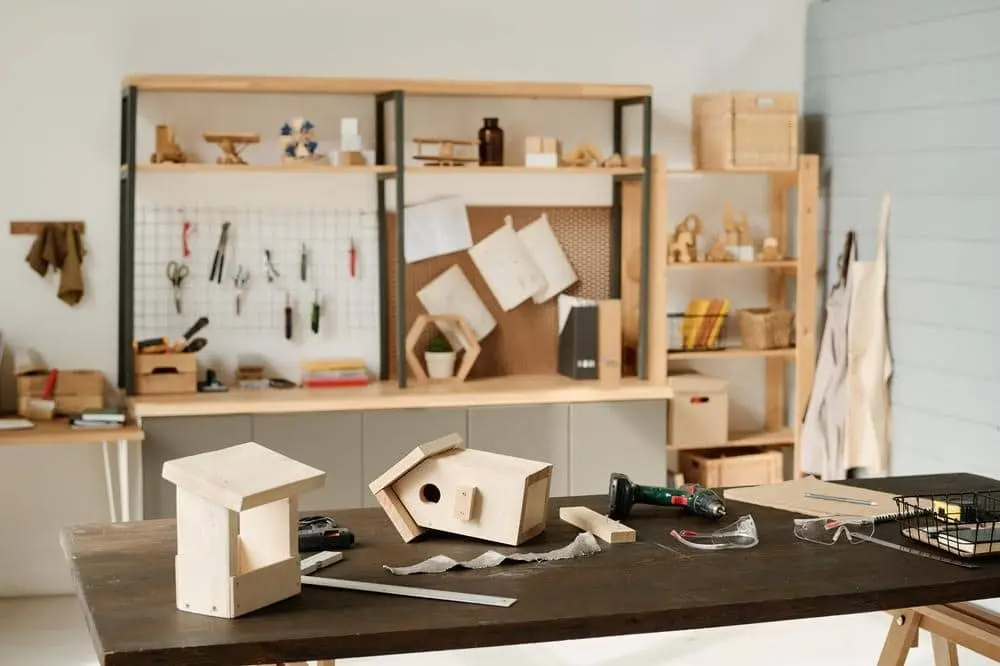
Materials: Hardcover book (at least 2 inches thick), clock mechanism kit, drill Time: 1 hour Cost: $20-35
Steps:
- Choose a book with an interesting cover
- Measure and mark the center
- Drill hole for clock mechanism (start small, enlarge as needed)
- Insert mechanism according to kit instructions
- Attach clock hands
- Insert battery and set time
Safety: Wear safety glasses when drilling. Work on a protected surface.
Project 3: Macrame Wall Hanging
Materials: Macrame cord (100-200 feet), wooden dowel, scissors Time: 3-5 hours Cost: $20-40
Steps:
- Cut cord into lengths (typically 8-10 pieces, 10-15 feet each)
- Attach cords to dowel using lark’s head knots
- Create your chosen pattern (square knots, spiral knots, or combinations)
- Trim ends to desired length and style
- Hang using cord attached to dowel ends
Tips: Watch online tutorials for specific knot techniques. Start with simple patterns before attempting complex designs.
Project 4: Photo Transfer Coasters
Materials: Plain tiles (4×4 inches), Mod Podge, foam brushes, felt pads, printed photos Time: 2 hours (plus overnight drying) Cost: $15-30
Steps:
- Print photos in reverse using a laser printer (mirror image)
- Cut photos to tile size
- Apply thick Mod Podge layer to tile
- Press photo face-down onto Mod Podge
- Let dry overnight
- Dampen and rub off paper backing, revealing transferred image
- Seal with additional Mod Podge layers
- Attach felt pads to bottom
Project 5: Rope-Wrapped Lamp Base
Materials: Plain ceramic or glass lamp base, rope or thick twine, hot glue gun Time: 1-2 hours Cost: $20-40
Steps:
- Start at the bottom of the lamp base
- Apply hot glue in small sections
- Wrap rope tightly, pressing into glue
- Continue wrapping upward, keeping rows tight and even
- Secure end with extra glue
- Let dry completely before use
Tips: Choose rope thickness proportional to lamp size. Natural rope adds texture; dyed rope adds color pops.
Project 6: Custom Constellation Art
Materials: Black canvas or painted wood panel, gold or silver paint pen, reference image Time: 1-2 hours Cost: $15-30
Steps:
- Research your favorite constellation or create a custom star map of a significant date
- Lightly mark star positions with pencil
- Create dots with paint pen for stars
- Connect constellation lines if desired
- Add date or location text
- Let dry and display
Styling: Create a series featuring different constellations or meaningful dates for gallery wall impact.
Project 7: Fabric-Covered Bulletin Board
Materials: Cork board or foam board, fabric (1 yard), batting, staple gun, ribbon Time: 1 hour Cost: $20-35
Steps:
- Cut batting to board size and attach with spray adhesive
- Cut fabric 4 inches larger than board on all sides
- Wrap fabric around board, pulling taut
- Staple to back, starting with centers of each side
- Fold corners neatly and staple
- Attach ribbon in crisscross pattern using upholstery tacks
- Hang and use for photos, notes, or inspiration
Quirky Decor for Different Home Styles
Quirky Decor for Small Apartments
Small spaces demand strategic quirk. Focus on pieces that serve multiple functions or draw the eye upward, utilizing vertical space effectively.
Best Choices:
- Wall-mounted quirky pieces that don’t consume floor space
- Mirrors with unusual shapes that expand perceived space
- Multi-functional furniture like ottomans with bold patterns that provide storage
- Vertical gardens that add life without floor footprint
- Statement lighting that becomes art without requiring square footage
Avoid: Large furniture pieces in bold colors, excessive collections that create clutter, or too many quirky items that compete for attention in limited space.
Pro Tip: In small spaces, let one or two quirky pieces be the heroes. A single bold wall hanging or an unusual light fixture creates personality without overwhelming.
Quirky Decor for Minimalist Homes
Minimalism and quirkiness aren’t opposites they’re complementary. Quirky pieces in minimalist spaces have maximum impact precisely because they stand alone.
Best Choices:
- Sculptural furniture with clean lines but unexpected shapes
- Single statement art pieces rather than gallery walls
- Quirky lighting that serves as functional sculpture
- Monochromatic quirky items that maintain clean aesthetics
- Architectural plants in unusual planters
Philosophy: Each quirky piece should be carefully chosen and intentionally placed. Quality and uniqueness matter more than quantity.
Pro Tip: Use the Scandinavian principle of “lagom” (not too much, not too little) combined with quirky accents to create chic, personality-filled minimalism.
Quirky Decor for Boho Interiors
Boho style naturally embraces eclecticism, making it the perfect canvas for layered quirky elements.
Best Choices:
- Layered textiles in unexpected color combinations
- Global-inspired quirky pieces from various cultures
- Mixed metallics in unusual finishes
- Vintage finds with patina and history
- Natural materials in unconventional applications
Approach: Embrace the “more is more” philosophy while maintaining intentionality. Even abundant décor should feel curated.
Pro Tip: Ground bohemian quirkiness with natural elements like rattan, wood, and plants to prevent it from feeling chaotic.
Quirky Decor on a Budget
Creativity, not cash, defines quirky style. Some of the most conversation-starting pieces come from thrifting, repurposing, and DIY projects.
Budget Strategies:
- Haunt thrift stores and estate sales for original finds
- Repurpose everyday objects in unexpected ways
- DIY with paint to transform existing pieces
- Focus on small accents that pack personality punches
- Shop seasonal sales and clearance sections
- Join local buy-nothing groups for free unique items
Best Budget Quirky Finds:
- Thrifted frames (spray paint for cohesion)
- Vintage dishware as wall art
- Old books arranged by color
- Flea market treasures cleaned and styled
- DIY painted furniture
- Handmade textiles from craft markets
Common Mistakes to Avoid
Overcrowding Spaces
The Problem: Too many quirky pieces create visual chaos rather than curated personality.
The Solution: Edit ruthlessly. Remove items one by one until the space breathes. Your favorite pieces deserve room to shine individually.
Rule: For every quirky item, balance with neutral or simple elements. Think of quirky pieces as the exclamation points in your design sentence use them sparingly for maximum impact.
Poor Color Balance
The Problem: Random color choices without cohesion create jarring, unpleasant spaces.
The Solution: Establish a base color palette (3-5 colors maximum) and choose quirky pieces that fall within this range. You can vary shades and intensities while maintaining harmony.
Technique: Use the 60-30-10 rule: 60% dominant color (often neutrals), 30% secondary color, 10% accent color (where quirky pieces often live).
Choosing Novelty Over Functionality
The Problem: Items that are quirky but useless become clutter that doesn’t earn its place.
The Solution: Every piece should serve a purpose beyond being interesting. A quirky chair should be comfortable. A sculptural lamp should provide adequate light. A conversation-starting coffee table should hold coffee.
Test: Ask yourself: “Would I keep this if it were plain?” If the answer is no, reconsider the purchase.
Ignoring Room Flow
The Problem: Large quirky furniture pieces placed without thought to traffic patterns create obstacles and frustration.
The Solution: Map traffic flow before placing furniture. Ensure at least 30-36 inches of clearance for main pathways. Place statement furniture against walls or in corners where it won’t impede movement.
Remember: Quirky decor should enhance daily life, not complicate it.
Forgetting Cohesion
The Problem: Random quirky items from different styles, eras, and aesthetics create confusion rather than character.
The Solution: Find connecting threads between disparate pieces similar colors, materials, or themes. Even eclectic spaces need underlying unity.
Approach: Treat your home as a collection. Each piece should relate to others through some shared element, creating a cohesive narrative.
Expert Styling Tips

How to Balance Quirky with Neutral Elements
The secret to successfully incorporating quirky home décor lies in strategic balance. Here’s how designers achieve harmony:
The Foundation Formula:
- Walls: Keep 75% of wall space neutral
- Furniture: Anchor spaces with classic shapes in neutral tones
- Accessories: This is where you unleash creativity
Layering Technique:
- Start with neutral foundation (walls, large furniture, flooring)
- Add secondary neutral layer (curtains, area rugs, basic pillows)
- Introduce quirky pieces one at a time
- Step back and assess balance
- Remove anything that doesn’t contribute
Pro Insight: Neutral doesn’t mean boring. Textures like linen, wool, leather, and wood in neutral tones create depth without competing with quirky pieces.
How to Make Quirky Decor Look Intentional
The difference between “quirky chic” and “accidental thrift store” lies in intentionality.
Intentional Placement:
- Create focal points: Each room should have one primary focal point
- Use triangulation: Arrange objects in triangular formations for visual balance
- Respect scale: Large rooms can handle larger quirky pieces; small rooms need smaller accents
- Consider sightlines: Place quirky pieces where they’ll be noticed when entering rooms
Curation Over Collection:
- Display items with space around them
- Group similar items together rather than scattering
- Use odd numbers (3, 5, 7) for collections
- Edit seasonally rotate items rather than adding endlessly
The Lightbulb Test: If you could imagine the piece in a high-end design magazine, it’s intentional. If it looks like it landed there by accident, rethink its placement or context.
How to Update Quirky Decor Seasonally
Keep your space fresh by rotating quirky elements with the seasons without buying new pieces constantly.
Seasonal Rotation Strategy:
Spring/Summer:
- Swap heavier textiles for lighter ones
- Introduce brighter colors through pillows and throws
- Add fresh flowers in quirky vases
- Display lighter, airier art pieces
Fall/Winter:
- Layer plush, cozy textiles
- Transition to warmer color palettes
- Add fairy lights or candles in unusual holders
- Display richer, moodier artwork
Storage System: Keep seasonal items organized in labeled bins so rotation is easy. This also prevents overwearing your favorite pieces.
Budget-Friendly: Focus on easily changeable elements like throw pillows, small accessories, and artwork. Keep large investments (furniture, lighting) season-neutral.
Creating Visual Weight Distribution
Quirky pieces often have strong visual presence. Distribute this weight evenly throughout spaces to avoid one heavy corner and three empty ones.
Balance Checklist:
- ✓ Large quirky piece on one wall? Add smaller quirky accents to opposite side
- ✓ Bold colors concentrated in one area? Echo those colors subtly elsewhere
- ✓ Heavy visual weight low? Add interest at eye level or above
- ✓ All quirky pieces on surfaces? Add quirky wall elements
Frequently Ask Questions
Absolutely. While specific trends come and go, the fundamental desire for personalized, unique living spaces remains constant. The shift toward individuality in interior style means quirky isn’t just in style it’s becoming the standard for those who reject cookie-cutter spaces, as mixing quirky with classic creates timeless, livable environments.
The key is curation and strategic placement edit ruthlessly and use the one-in-one-out rule before adding new pieces. Maintain negative space, organize collections by grouping similar items together, and rotate items seasonally rather than displaying everything simultaneously, remembering that a few well-chosen quirky pieces make a stronger statement than dozens of random ones.
Yes! Small homes can absolutely embrace quirky style by choosing wall-mounted pieces that don’t consume floor space and using multi-functional furniture with quirky designs. Small spaces actually benefit from quirky touches because unusual pieces create personality without requiring square footage a quirky wall hanging or unique lighting can transform a small room more effectively than adding furniture.
Not necessarily quirky décor can suit any budget through thrift stores, flea markets, DIY projects, and repurposing existing items in creative ways. Focus on quality over quantity, investing in pieces you’ll use daily that dramatically impact a space, remembering that the most memorable quirky pieces often come from unexpected places and creative thinking rather than expensive stores.
Focus on timeless qualities like quality craftsmanship, classic shapes with quirky twists, and pieces you genuinely love that reflect your authentic personality rather than just following trends. Avoid meme-based or internet trend items and extremely specific pop culture references, trusting your instincts if a piece makes you happy independently of trends, it’s likely a keeper.
Absolutely this combination often creates the most interesting spaces, as the contrast between traditional and quirky adds depth and prevents either from dominating. Use traditional furniture as the anchor while adding quirky accessories and accents, connecting the two styles through complementary colors to create visual harmony that makes quirky more accessible for those hesitant to commit fully.
Conclusion: Unleash Your Personality Through Quirky Design
Creating a home filled with personality and charm isn’t about following rigid rules it’s about daring to be different and trusting your unique vision. Quirky home decor allows you to break free from the beige monotony that dominates so many spaces and instead create an environment that genuinely reflects who you are.
The 25 ideas we’ve explored offer starting points, but the possibilities are endless. Whether you’re transforming your entire home or adding just a few conversation-starting accents, remember that the best spaces are those that tell a story your story.
Don’t be afraid to play around with unexpected combinations, to add a touch of humor, or to adorn your walls with things that make you smile. Your home should brighten your mood every time you walk through the door. It should help you keep your home feeling fresh and exciting, not static and safe.
Start small if you’re hesitant. Add one quirky piece and observe how it changes the energy of your space. Visit your local thrift store or flea market this weekend. Think outside the box about how everyday objects could gain a second life as unique home décor. The journey toward a more personality-filled home begins with a single quirky choice.
Remember: Your living space should create an environment where you feel most authentically yourself a place where originality and personality triumph over perfection and conformity. So go ahead and add quirky elements that spark joy, start conversations, and remind you daily that your home is uniquely, wonderfully yours.
Your perfect quirky piece is out there waiting to help bring your vision to life. The only question is: which will you choose first?